


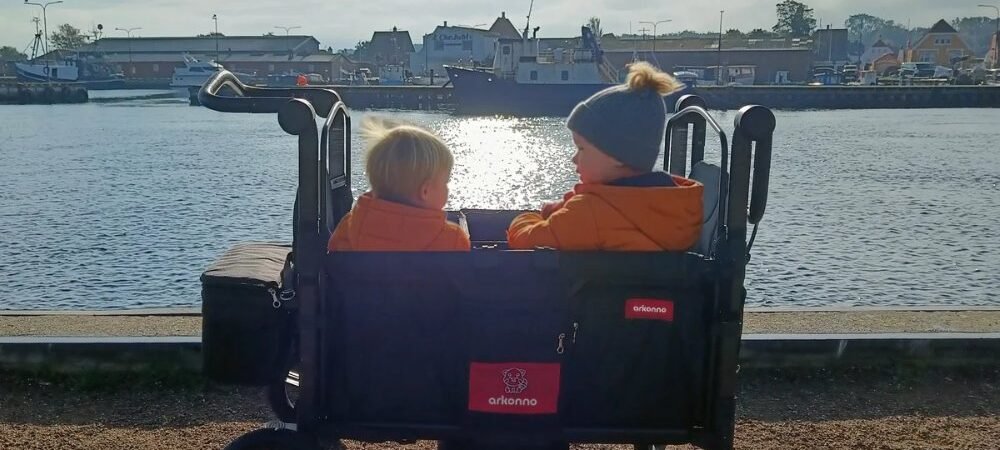
More than half of the children in a survey by the Danish children’s rights organisation Børns Vilkår say that their parents are often or always busy. But research also shows that children don’t necessarily want more hours. They want certain kinds of moments. The answer is often quality time in everyday life, not more hours.
Børns Vilkår asked 270 children how they experience their parents being busy. The answers are worth thinking about. One in three children feels that their parents don’t spend enough time with them. More than half say that mum and dad are often or always busy. 80 per cent name work as the reason. Almost 70 per cent point to housework, and one in two children mentions that their parents are busy with emails and social media.
This is not an accusation. Most Danish parents live an everyday life where both parents work, and where the day is divided between daycare, job and chores. The Rockwool Foundation has previously shown that parents today actually spend more time with their children than earlier generations did. Even so, it often feels as if it is not enough.
Six kinds of time children value
Perhaps it is not only about the number of hours. The Danish researcher Pia Haudrup Christensen has studied how children in Copenhagen and England talk about family time themselves. She found six qualities that children value:
- Ordinary, regular everyday routines
- Cosy time together (what Danes call hygge)
- Someone being there for you
- Having time of your own
- Peace and quiet
- Having a say in planning your own time
None of them requires big plans or expensive experiences. They require presence and a rhythm the children can count on.
Quality time in everyday life: the best minutes of the day
In research it is often described as a choice between quality time and quantity time. The American researcher Ellen Galinsky has called quality time a new pressure on parents: a goal they never reach. Christensen’s studies point in a different direction. It is in the ordinary moments that children feel seen.
Take the daily walk to kindergarten, a stroll after dinner or the Saturday trip to the playground. There is no screen here and no washing-up. The phone stays in your pocket, and there is time to answer the question of why seagulls screech. The children have the adult’s attention, and there is room for the small conversations. It is everyday routine, cosiness and presence all at once.
Small changes, big difference
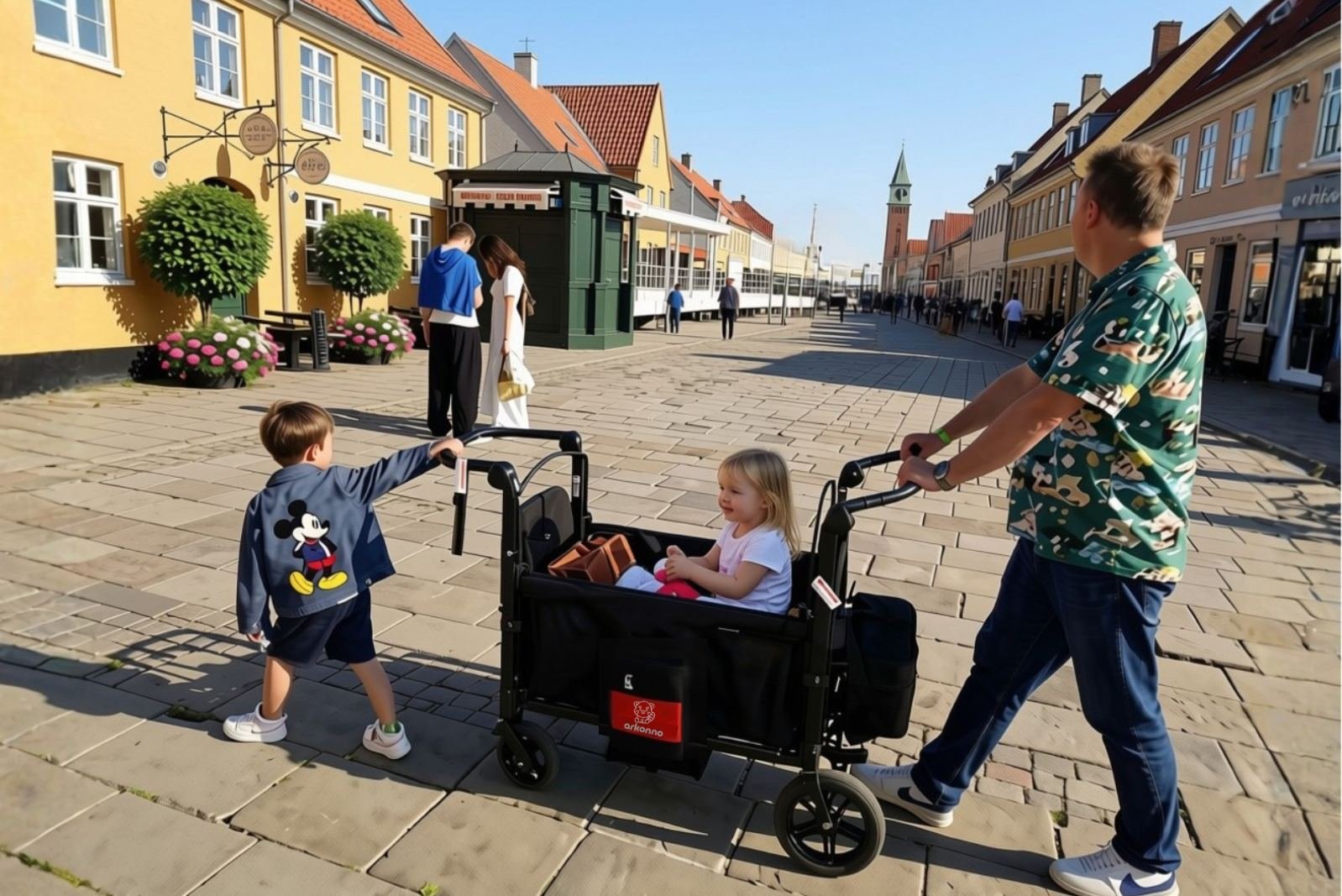
It is a quarter past four, and kindergarten is over for today. Instead of taking the car, the trip home is on foot. In the Arkonno Stroller Wagon the two of them sit facing each other, both talking at once about the day’s play, while the adult walks alongside and has time to answer. The phone stays in the pocket. There is time for a detour past the bakery and a stop at the big puddle. It is not a planned activity, just an ordinary Tuesday, and that is exactly the kind of time the children in the studies are asking for.
- Make it a regular route. The same trip every day creates familiarity and calm.
- Put the phone away on the trip. Half of the children in the survey notice the screen.
- Let the child choose the way now and then. Having a say in the plan is one of the qualities children themselves mention.
We can’t always get more hours in the day, but we can create quality time in everyday life with the ones we have.
Sources
- Børns Vilkår: Børn til BørneTelefonen: Mor og far har for travlt (web survey of 270 children, in Danish)
- Christensen, P.H.: Er mere tid med familien løsningen? Hvad siger børn?, Dansk Sociologi (in Danish)
- Rockwool Foundation: Parents are spending an increasing amount of time on their children